


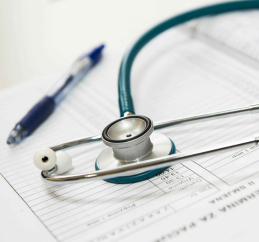
Modern Nursing Skills Laboratory
Controlled Practice Environment
The skills lab is a controlled environment where students can learn and practice clinical procedures without the stress of working with real patients. This setting makes it possible to learn, fix mistakes, and get better at things over time.
Core Practical Skills Development
Students learn important hands-on skills that are needed for working in healthcare, such as:
• Ways to evaluate patients
• Checking vital signs
• Procedures for injections and IVs
• Taking care of wounds and putting on bandages
• Practices for controlling infections
• Basic life support (CPR)
Training Equipment and Simulation Tools
Students use professional training equipment that is meant to look like real clinical procedures, like the ones listed below:
• Mannequins for taking care of patients
• Models for injection training
• Units for practicing CPR
• Equipment for monitoring
• Standard clinical tools
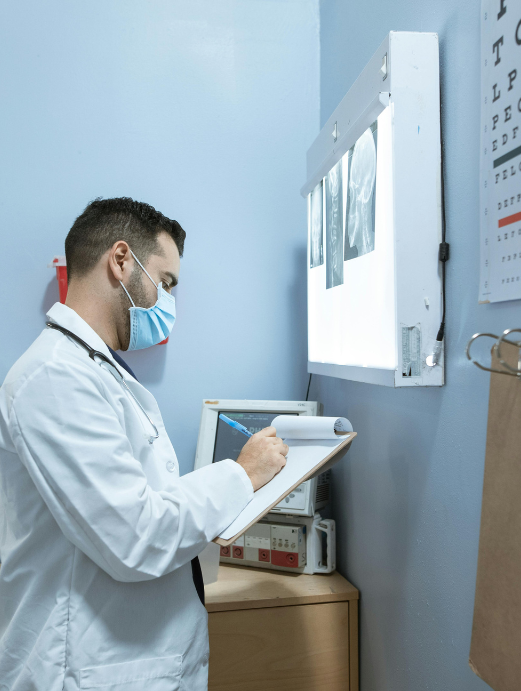
Simulation-Based Training Approach
Structured simulation exercises that mimic real healthcare situations in a controlled setting are used to train students. This method helps them get better at being accurate, thinking critically, and responding well before they work with real patients.
Scenario-Based Practice
Students learn about real clinical processes by taking part in simulated situations like patient emergencies, infection control scenarios, and medication procedures.
Use of Training Models
Students practice using mannequins, clinical models, and training tools that are meant to look like real healthcare situations.
Step-by-Step Procedure Learning
Training is all about learning the right ways to do things and the right order to do them in to make sure they are done safely and correctly.
Practical Training Focus
Students receive structured training across essential healthcare areas within the nursing skills laboratory, using modern equipment and supervised practice methods.
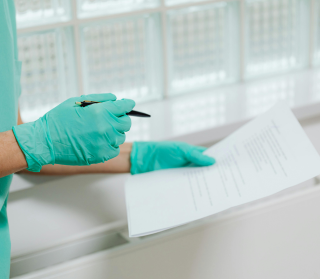
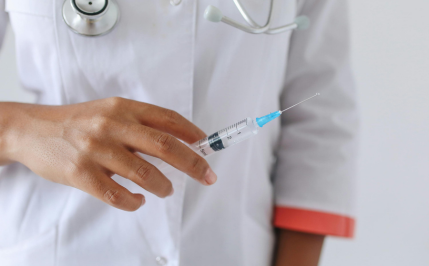
Nursing Procedures
Students learn and practice core nursing techniques required for patient care, including basic clinical procedures and routine healthcare tasks.
Emergency Response Training
Training includes essential emergency procedures such as CPR and basic life support using simulation models and training equipment.
